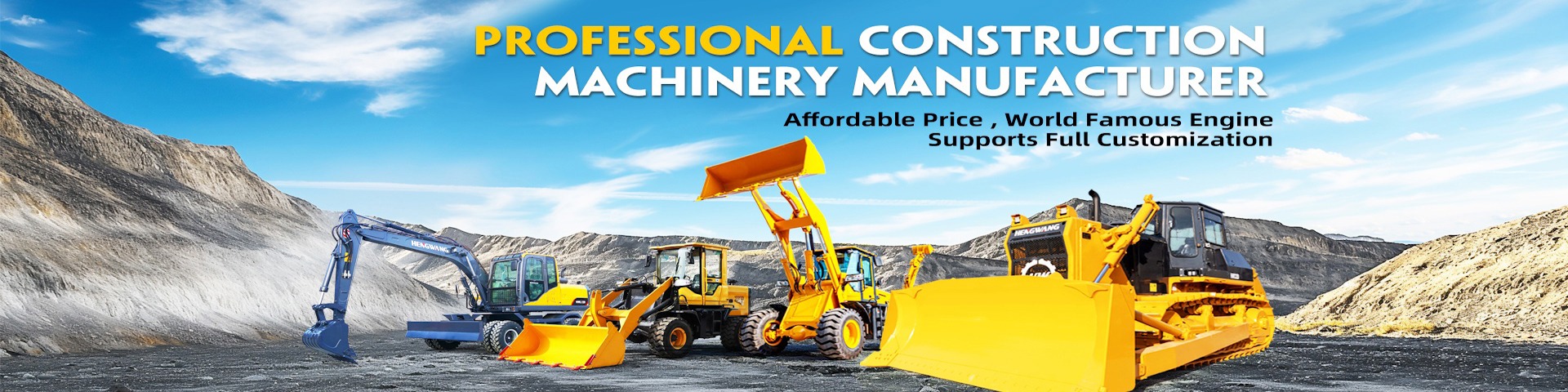
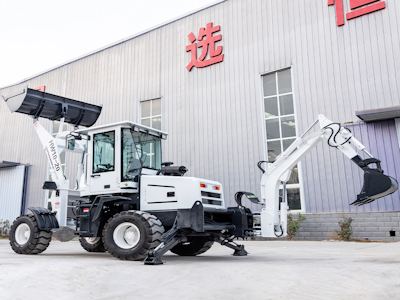
Гидравлические экскаваторы уже давно стали незаменимыми помощниками в строительстве, горнодобывающей промышленности и других отраслях. Однако мир не стоит на месте, и технологии стремительно развиваются, открывая новые горизонты для этих мощных машин. В этой статье мы подробно рассмотрим ключевые инновации и тренды, которые определяют будущее гидравлических экскаваторов. От автоматизации и электродвигателей до искусственного интеллекта и устойчивого развития – мы погрузимся в детали, чтобы понять, как эти изменения повлияют на эффективность, безопасность и экологичность.
Гидравлические экскаваторы – это сердце многих промышленных процессов. Их эволюция не только повышает производительность, но и способствует решению глобальных вызовов, таких как изменение климата и нехватка ресурсов. Инновации в этой области могут сократить затраты, улучшить точность работ и минимизировать воздействие на окружающую среду. В этой статье мы исследуем, как современные технологии трансформируют экскаваторы, делая их умнее, экологичнее и более адаптивными к потребностям будущего.
Первый гидравлический экскаватор был разработан в середине XX века, и с тех пор эти машины прошли долгий путь. Ранние модели были громоздкими, с ограниченной мощностью и высоким уровнем шума. Однако с развитием гидравлических систем и материалов, экскаваторы стали более эффективными и надежными. В 1980-х годах появились компьютеризированные системы управления, а в 2000-х – первые шаги к автоматизации. Сегодня мы стоим на пороге революции, где искусственный интеллект и Интернет вещей (IoT) открывают новые возможности.
Автоматизация – один из самых значимых трендов. Современные экскаваторы оснащаются системами, которые позволяют им работать автономно или полуавтономно. Например, технологии GPS и лазерного сканирования обеспечивают точное позиционирование и копание без постоянного вмешательства оператора. Это не только повышает производительность на 20-30%, но и снижает человеческий фактор, минимизируя ошибки и аварии. Компании like Caterpillar и Komatsu уже внедряют такие решения, и ожидается, что к 2030 году доля автоматизированных экскаваторов достигнет 40% на рынке.
Экологичность становится приоритетом, и гидравлические экскаваторы не исключение. Традиционные дизельные двигатели заменяются электрическими, что значительно снижает выбросы CO2 и шум. Электродвигатели также более эффективны: они потребляют меньше энергии и имеют более длительный срок службы. Инновационные батареи и системы быстрой зарядки делают это решение практичным даже для удаленных работ. Например, модели от Volvo CE уже демонстрируют нулевые выбросы и могут работать до 8 часов без подзарядки.
ИИ трансформирует то, как экскаваторы принимают решения. Машинное обучение позволяет машинам адаптироваться к изменяющимся условиям, например, оптимизировать глубину копания based on soil type or predict maintenance needs. AI-powered cameras and sensors can detect obstacles in real-time, enhancing safety. This not only improves efficiency but also reduces downtime. Companies are investing heavily in AI, and it's projected that by 2025, over 50% of new excavators will have some form of AI integration.
Гидравлика – основа экскаваторов, и здесь тоже происходят innovations. Smart hydraulic systems use sensors to monitor pressure, flow, and temperature, adjusting parameters in real-time for optimal performance. This leads to fuel savings of up to 15% and extended component life. Additionally, these systems can predict failures before they happen, allowing for preventive maintenance. Brands like Hitachi and Liebherr are pioneers in this area, offering solutions that make excavators more reliable and cost-effective.
Интернет вещей (IoT) connects excavators to cloud platforms, enabling remote monitoring and data analysis. Operators can track machine performance, fuel consumption, and location from anywhere. This data-driven approach helps in optimizing operations, scheduling maintenance, and even training new operators through simulators. For instance, John Deere's JDLink system provides real-time insights, reducing operational costs by up to 10%. The future will see even more integration with smart cities and construction sites, creating a seamless digital ecosystem.
Сокращение environmental footprint is a major trend. Excavators are being designed with recyclable materials, lightweight composites, and ergonomic features that reduce energy consumption. For example, the use of high-strength steel and aluminum alloys makes machines lighter without compromising durability. Moreover, designs are focused on improving aerodynamics and reducing friction, which contributes to lower fuel usage. These innovations align with global sustainability goals, such as the UN's SDGs, and are becoming a key selling point for manufacturers.
With increasing awareness of climate change, customers and regulators are pushing for greener equipment. This trend is driving the adoption of electric and hybrid excavators. Governments are offering incentives for low-emission machinery, and companies that invest in sustainability are gaining a competitive edge. By 2030, the market for electric excavators is expected to grow by 25% annually, making it a dominant force in the industry.
Future excavators will be highly customizable to meet specific project needs. Modular designs allow for easy swapping of attachments, such as buckets, breakers, or grapples, without downtime. This flexibility enhances versatility and reduces costs. AI can further personalize operations by learning operator preferences and adjusting settings accordingly. This trend is particularly appealing to small and medium-sized enterprises that need adaptable equipment.
Safety remains a top priority, and innovations like collision avoidance systems, emergency stop features, and enhanced operator cabins are becoming standard. Virtual reality (VR) and augmented reality (AR) are used for training, reducing accidents on site. These technologies not only protect workers but also improve compliance with regulations. As automation increases, safety protocols will evolve to include cybersecurity measures to protect against hacking.
The excavator market is becoming more global, with manufacturers expanding into emerging economies. However, there is also a trend towards localization, where machines are adapted to local conditions, such as extreme climates or terrain. This dual approach ensures that innovations are accessible worldwide while meeting specific regional demands. For example, excavators for Arctic operations might have heated hydraulics, while those for tropical areas focus on corrosion resistance.
Despite the exciting innovations, there are challenges. High costs of new technologies can be a barrier for some companies, especially in developing regions. Additionally, the shift to electric power requires infrastructure for charging, which is not yet ubiquitous. However, these challenges also present opportunities. Investments in R&D can lead to breakthroughs that lower costs, and collaborations between governments and private sectors can accelerate adoption. The potential for job creation in tech-related fields is another positive aspect.
Гидравлические экскаваторы будущего – это не просто машины, а интеллектуальные системы, способные revolutionize industries. With innovations in automation, electrification, AI, and sustainability, they are set to become more efficient, eco-friendly, and safe. As we move forward, embracing these trends will be crucial for staying competitive. Whether you're a construction company, an operator, or an investor, understanding these developments can help you make informed decisions. The future of excavators is bright, and it's time to dig into it!
This article has explored the key aspects, but the journey is ongoing. Stay tuned for more updates as technology continues to evolve. If you're interested in adopting these innovations, consider consulting with experts or attending industry events to stay ahead of the curve.
Предыдущая статья: Почему ленточный конвейер незаменим на современных производствах
Следующий пост: Увеличивайте производительность с инновационными цепными конвейерами