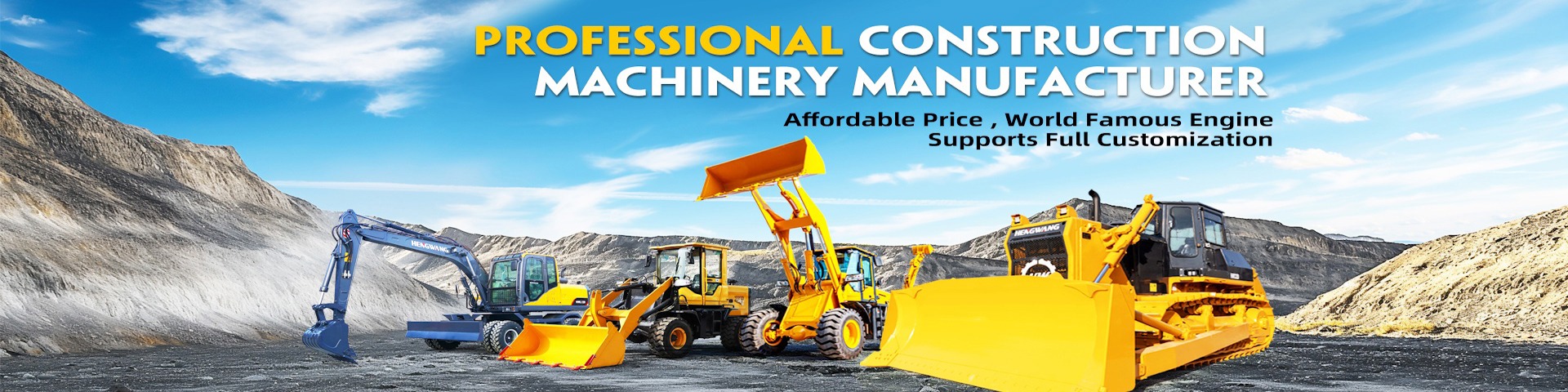

В мире современного строительства эффективность и безопасность являются ключевыми факторами успеха любого проекта. Строительные краны играют центральную роль в этом процессе, обеспечивая подъем и перемещение тяжелых грузов с высокой точностью. Однако многие подрядчики и инженеры до сих пор не fully используют потенциал этой техники. В этой статье мы раскроем секреты, которые помогут вам maximзировать эффективность работы кранов на вашей стройплощадке, снизить затраты и повысить общую производительность.
Строительные краны — это не просто машины; это сердце любой крупной строительной площадки. Они эволюционировали от простых механических устройств до сложных систем, интегрированных с цифровыми технологиями. История кранов насчитывает тысячелетия, начиная с древних времен, когда люди использовали рычаги и блоки для подъема тяжестей. Сегодняшние краны, такие как башенные, мобильные и козловые, представляют собой engineering marvels, способные поднимать сотни тонн на высоту десятков метров.
Но почему именно краны так важны? Они не только ускоряют строительство, но и обеспечивают безопасность, уменьшая риск травм и повреждений. Однако, без proper knowledge и планирования, даже самый advanced кран может стать источником проблем. В этой статье мы углубимся в детали, начиная с выбора правильного оборудования и заканчивая advanced техниками оптимизации.
Прежде чем говорить об эффективности, важно понять разнообразие кранов, доступных на рынке. Каждый тип предназначен для specific задач и условий.
Башенные краны — это giants строительного мира, commonly используемые в высотном строительстве. Они состоят из вертикальной мачты и горизонтальной стрелы, что позволяет им достигать больших высот и иметь значительный вылет. Их стационарная nature делает их ideal для long-term проектов, таких как небоскребы или крупные инфраструктурные объекты. Секрет эффективности здесь lies в proper монтаже и балансировке. Например, использование computer-aided design (CAD) для планирования positioning может reduce время простоя на 20%.
Мобильные краны, такие как автомобильные или гусеничные, offer гибкость и mobility. Они perfect для projects, где требуется frequent перемещение или работа в tight spaces. Их effectiveness зависит от выбора правильной модели based on грузоподъемности и terrain conditions. Регулярное обслуживание и training операторов are crucial to avoid accidents and ensure smooth operations.
Козловые краны often используются в dockyards или для heavy lifting в enclosed areas. Их design позволяет for precise control, но они require significant space. Other types include плавучие краны для marine projects и self-erecting краны для smaller sites. Understanding the strengths and limitations of each type is the first step toward efficiency.
Выбор крана — это не просто вопрос бюджета; it's about matching the equipment to the project's needs. Here are some insider tips.
First, consider the load capacity and reach. A crane that is too small will cause delays, while one that is too large may be inefficient and costly. Use load charts and software simulations to determine the optimal size. For instance, for a typical high-rise building, a tower crane with a capacity of 10-20 tons and a reach of 50-70 meters might be ideal.
Second, evaluate the site conditions. Is the ground stable? Are there obstacles like power lines or other structures? Mobile cranes with outriggers can handle uneven terrain, but tower cranes require a solid foundation. Soil testing and geotechnical surveys are essential to prevent accidents.
Third, think about the duration of the project. Renting a crane might be more cost-effective for short-term projects, while purchasing could save money in the long run. Additionally, consider the availability of spare parts and technical support in your region.
Finally, don't forget about safety features. Modern cranes come with anti-collision systems, load moment indicators, and remote monitoring. Investing in these technologies can prevent costly incidents and improve overall efficiency.
Efficiency doesn't happen by accident; it requires meticulous planning and execution. Let's dive into the secrets of optimizing crane operations.
Before the crane even arrives on site, detailed planning is crucial. Use project management software to create a schedule that minimizes crane movement and idle time. For example, sequence lifting tasks to reduce the number of repositionings. Studies show that proper scheduling can increase productivity by up to 30%.
Coordinate with other teams on site. Communication between crane operators, ground crew, and project managers is vital. Implement a clear signaling system, such as hand signals or radio communication, to avoid misunderstandings.
The way loads are lifted and moved can significantly impact efficiency. Use techniques like tandem lifting (using two cranes for heavy loads) or pre-assembly of components to reduce crane time. For instance, in modular construction, assembling parts on the ground before lifting can cut crane usage by half.
Regular maintenance is another key factor. A well-maintained crane operates more efficiently and has fewer breakdowns. Follow the manufacturer's maintenance schedule and conduct daily inspections. Lubrication, wire rope checks, and electrical system tests should be routine.
Modern technology is revolutionizing crane operations. GPS and IoT sensors can provide real-time data on crane position, load, and performance. This data can be used for predictive maintenance, reducing downtime. For example, sensors can alert operators to potential issues before they become critical.
Automation is also on the rise. Semi-autonomous cranes can perform repetitive tasks with high precision, freeing up operators for more complex duties. While full automation is still emerging, it promises to further boost efficiency in the future.
Safety is not just a legal requirement; it's a cornerstone of efficiency. Accidents can cause delays, increase costs, and damage reputation. Here's how to integrate safety into your operations.
First, ensure that all personnel are properly trained. Crane operators should be certified and regularly updated on safety protocols. Ground crew should know how to secure loads and communicate effectively.
Second, conduct risk assessments for each lifting operation. Identify potential hazards, such as high winds or unstable loads, and implement controls. Use safety devices like limit switches and overload protection systems.
Third, foster a culture of safety on site. Encourage reporting of near-misses and continuously improve procedures. Remember, a safe site is an efficient site.
To illustrate these principles, let's look at some real-world examples.
Case Study 1: The Burj Khalifa Project. During the construction of the world's tallest building, tower cranes were used extensively. By employing advanced scheduling and GPS technology, the team achieved a lifting efficiency that allowed them to complete the project ahead of schedule. Key takeaways: integration of technology and meticulous planning.
Case Study 2: A Bridge Construction in Russia. Mobile cranes were used in challenging weather conditions. Through proper maintenance and operator training, the project maintained high efficiency despite snow and wind. Lesson: adaptability and preparation are essential.
These cases show that regardless of the project scale, the secrets of efficiency are universal.
The future of cranes is bright, with innovations aimed at further enhancing efficiency.
Electric and hybrid cranes are becoming more popular, reducing fuel costs and emissions. For example, Liebherr's electric tower cranes can operate with zero local emissions, making them ideal for urban projects.
AI and machine learning are being integrated for predictive analytics. These systems can forecast maintenance needs and optimize load movements based on historical data.
Modular and self-erecting cranes are gaining traction for their quick setup times. In the coming years, we may see fully autonomous cranes that can operate with minimal human intervention.
Embracing these trends will keep your operations at the cutting edge of efficiency.
In conclusion, the secrets to efficient crane work on construction sites boil down to knowledge, planning, technology, and safety. By choosing the right crane, optimizing operations, and leveraging modern innovations, you can significantly boost productivity and reduce costs.
Remember, every project is unique, so adapt these insights to your specific context. Start by auditing your current practices and identifying areas for improvement. Invest in training and technology, and always prioritize safety.
With these strategies, you'll not only meet your project deadlines but also set new standards for excellence in the construction industry. The crane is more than a tool; it's a partner in building the future.
Thank you for reading. If you have questions or want to share your experiences, feel free to reach out. Let's build efficiently together!
Предыдущая статья: Экскаваторы по суперценам доступны каждому покупателю
Следующий пост: Советы по экономии при покупке экскаваторов у поставщиков