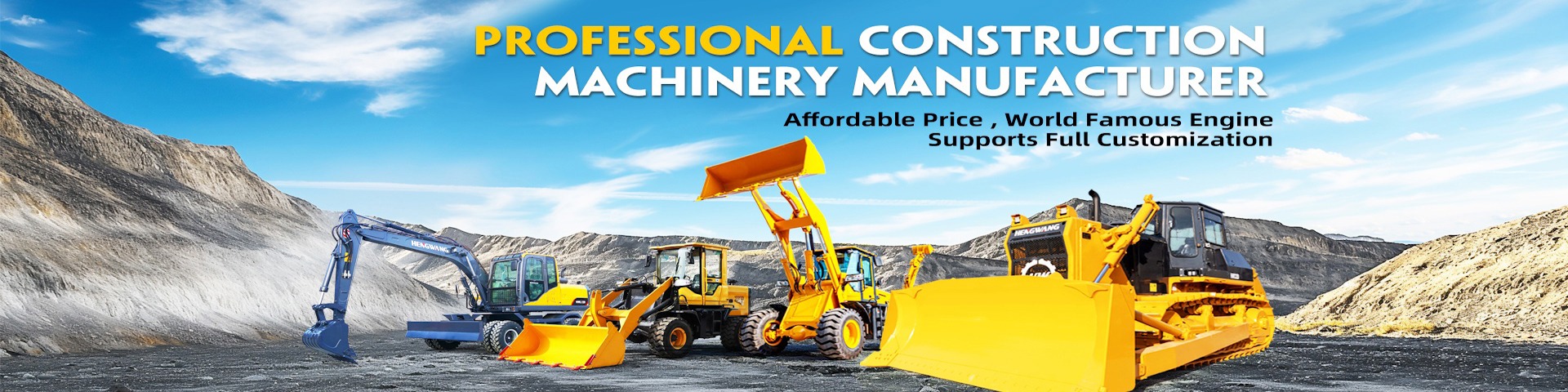

В современном строительном мире эффективность и производительность являются ключевыми факторами успеха любого проекта. Строительные площадки требуют использования надежной и мощной техники, способной справляться с разнообразными задачами — от земляных работ до перемещения тяжелых материалов. Среди всего спектра строительного оборудования крупногабаритные погрузчики выделяются как универсальные машины, которые не только упрощают процессы, но и значительно повышают общую продуктивность. В этой статье мы подробно рассмотрим, почему крупногабаритные погрузчики стали незаменимым инструментом в строительстве, их преимущества, технические особенности и как выбрать подходящую модель для ваших нужд.
Крупногабаритные погрузчики — это мощные машины, предназначенные для выполнения тяжелых работ на строительных площадках. Они отличаются от стандартных погрузчиков своими размерами, грузоподъемностью и универсальностью. Эти машины способны работать в самых сложных условиях, включая неровные поверхности, ограниченное пространство и экстремальные погодные условия. Их применение охватывает широкий спектр задач: погрузка и разгрузка материалов, транспортировка грузов, планировка территории и даже участие в демонтажных работах.
История развития погрузчиков началась еще в начале XX века, но именно крупногабаритные модели появились как ответ на растущие потребности строительной индустрии. Сегодня они представляют собой высокотехнологичное оборудование, оснащенное передовыми системами управления, экологичными двигателями и enhanced безопасностью. В России и странах СНГ спрос на такие машины постоянно растет, что связано с активным развитием инфраструктуры и строительным бумом в крупных городах.
Универсальность крупногабаритных погрузчиков делает их ideal choice для различных типов строительных проектов. Whether it's a residential building, a commercial complex, or an industrial facility, these machines can adapt to the specific requirements of the site. Their ability to handle multiple attachments — such as buckets, forks, and grapples — allows them to perform a variety of functions without the need for additional equipment. This not only saves time but also reduces overall costs, making them a cost-effective solution in the long run.
Одним из главных преимуществ крупногабаритных погрузчиков является их высокая производительность. Благодаря мощным двигателям и robust конструкции, они могут работать непрерывно в течение длительных периодов, handling heavy loads with ease. This efficiency translates into faster project completion times, which is crucial in the competitive construction industry. For example, on a large-scale construction site, a single large loader can replace several smaller machines, streamlining operations and reducing labor costs.
Another significant advantage is versatility. Large loaders can be equipped with various attachments to suit different tasks. A standard bucket is perfect for moving soil and debris, while forks are ideal for handling palletized materials. Specialized attachments like grapples or breakers allow these machines to perform demolition or rock handling duties. This adaptability means that investing in a large loader can cover multiple needs, eliminating the necessity to purchase separate machines for each function.
Durability and reliability are also key benefits. Constructed from high-quality materials and designed to withstand harsh conditions, large loaders have a long service life with minimal downtime. Regular maintenance is straightforward, and many models come with advanced diagnostic systems that alert operators to potential issues before they become major problems. This reliability ensures that construction projects stay on schedule, avoiding costly delays.
Safety is another critical aspect. Modern large loaders are equipped with numerous safety features, such as reinforced cabs, backup cameras, and automatic stability control systems. These features protect operators from accidents and enhance overall site safety. Additionally, the ergonomic design of the cab reduces operator fatigue, allowing for more productive shifts without compromising well-being.
From an environmental perspective, many new models of large loaders are designed to be more eco-friendly. They often feature engines that comply with strict emission standards, reducing their carbon footprint. Some even incorporate hybrid or electric technology, which not only lowers fuel consumption but also decreases noise pollution on site — a important consideration in urban areas.
Cost-effectiveness is perhaps the most compelling advantage. While the initial investment in a large loader might be higher than for smaller equipment, the long-term savings are substantial. Reduced need for multiple machines, lower maintenance costs, and increased efficiency all contribute to a better return on investment. Moreover, the ability to rent or lease these machines provides flexibility for companies that may not want to commit to a purchase outright.
Крупногабаритные погрузчики come in various sizes and configurations, but they generally share common technical features that make them suitable for construction work. Key specifications include engine power, which typically ranges from 150 to over 500 horsepower, depending on the model. This power allows them to handle loads of up to 10 tons or more, with some high-capacity models capable of lifting even heavier weights.
The hydraulic system is another critical component. Advanced hydraulics provide smooth and precise control over attachments, enabling operators to perform delicate tasks with accuracy. Many loaders feature variable flow hydraulic systems that adjust power output based on the task, improving efficiency and reducing fuel consumption.
Chassis and undercarriage design are optimized for stability and mobility. Large loaders often have a articulated frame, which allows for tight turning radii and excellent maneuverability in confined spaces. The tires or tracks are designed to provide traction on uneven terrain, with options for all-terrain or specialized surfaces like mud or snow.
Operator cabin comfort is a priority in modern designs. Air-conditioned cabs, adjustable seats, and intuitive control panels make long shifts more manageable. Many models also include technology such as GPS tracking, telematics, and automated systems that assist with load handling and navigation.
Attachments play a vital role in the functionality of large loaders. Common attachments include general-purpose buckets for digging and loading, pallet forks for material handling, grapples for sorting debris, and breakers for demolition. The quick-change systems allow operators to switch attachments rapidly, maximizing uptime and versatility.
Fuel efficiency is an important consideration, especially given the rising costs of diesel. Modern loaders incorporate features like engine idle shutdown, eco-mode settings, and advanced fuel injection systems to minimize consumption. Some manufacturers are even developing electric and hybrid models that offer zero emissions and lower operating costs.
Maintenance and serviceability are designed to be user-friendly. Easy access to engine compartments, filter systems, and hydraulic components reduces downtime during repairs. Diagnostic ports and onboard computers provide real-time data on machine health, enabling proactive maintenance.
When compared to other construction equipment, large loaders offer distinct advantages. For instance, versus excavators, loaders are generally more versatile in terms of mobility and attachment options. While excavators excel at digging and trenching, loaders can perform those tasks and also handle loading and transporting materials, making them more all-round machines.
Compared to bulldozers, which are primarily used for pushing and leveling earth, loaders provide additional functionality with their ability to lift and carry loads. This makes them better suited for sites where multiple types of work are required, reducing the need to switch between different machines.
Versus cranes or telehandlers, loaders are more compact and maneuverable, ideal for tasks that require frequent movement around the site. However, cranes have higher lifting capacities for vertical lifts, so the choice depends on the specific application.
In terms of cost, large loaders often represent a middle ground. They are more expensive than small skid-steer loaders but cheaper than some specialized equipment like large cranes or excavators. Their versatility can lead to overall savings by covering multiple roles.
Operational efficiency is another area where loaders shine. They typically have faster cycle times for loading and transporting compared to machines that are dedicated to a single function. This speed can accelerate project timelines significantly.
Environmental impact is also a factor. Loaders with modern engines tend to have lower emissions than older models or some alternative equipment, aligning with increasing regulatory and sustainability demands in construction.
Choosing the right large loader for your construction project involves several considerations. First, assess the specific tasks you need to perform. If your work involves mostly loading and transporting, a model with high lift capacity and speed might be best. For sites with demolition or specialized tasks, look for loaders that support a wide range of attachments.
Consider the size of your project and the available space. Larger loaders offer more power but may be less maneuverable in tight areas. Measure your site constraints and opt for a size that balances performance with practicality.
Budget is always a key factor. Determine whether purchasing, leasing, or renting is the most cost-effective option for your company. Leasing can provide access to newer models without a large upfront investment, while renting might be suitable for short-term projects.
Evaluate the manufacturer's reputation and after-sales support. Brands with a strong track record in durability and customer service can reduce long-term risks. Look for warranties, availability of spare parts, and training resources for operators.
Operator training is crucial for safe and efficient use. Ensure that your team is properly trained on the specific model you choose, focusing on safety protocols, attachment handling, and maintenance procedures. Well-trained operators can maximize productivity and minimize accidents.
Regular maintenance is essential to prolong the life of your loader. Follow the manufacturer's recommended service intervals, keep records of repairs, and address issues promptly to avoid costly breakdowns. Using genuine parts and certified technicians can enhance reliability.
Finally, consider future needs. Construction projects evolve, so select a loader that can adapt to changing requirements. Models with upgrade options or compatibility with new attachments can provide flexibility as your business grows.
В заключение, крупногабаритные погрузчики представляют собой универсальное и эффективное решение для современных строительных работ. Их способность выполнять múltiples tasks, combined with high productivity, durability, and safety features, makes them indispensable on any construction site. As the industry continues to evolve towards greater efficiency and sustainability, these machines are at the forefront, offering innovations that reduce environmental impact and operational costs.
Whether you are involved in residential construction, infrastructure development, or industrial projects, investing in a large loader can significantly enhance your capabilities. By carefully selecting the right model and ensuring proper use and maintenance, you can unlock their full potential, leading to successful and timely project completions. Embrace the power of large loaders and transform your construction operations into a streamlined, cost-effective, and productive endeavor.
Remember, the key to maximizing benefits lies in understanding your specific needs and choosing equipment that aligns with your goals. With large loaders, you are not just buying a machine; you are investing in a versatile partner that will drive your construction success for years to come.
Предыдущая статья: Профессиональные оптовые асфальтоукладчики для строительства
Следующий пост: Современные технологии для широких асфальтовых укладок