Введение: Современное строительство — это сложный и многогранный процесс, требующий высокоэффективной техники для обеспечения скорости, точности и безопасности. Среди множества машин, используемых на стройплощадках, гидравлические погрузчики занимают особое место. Их уникальные характеристики, основанные на принципах гидравлики, делают их незаменимыми инструментами в арсенале строительных компаний. В этой статье мы подробно исследуем, почему гидравлические погрузчики стали столь важными, как они работают, их преимущества, и какое будущее их ждет в контексте глобальных тенденций строительной индустрии.
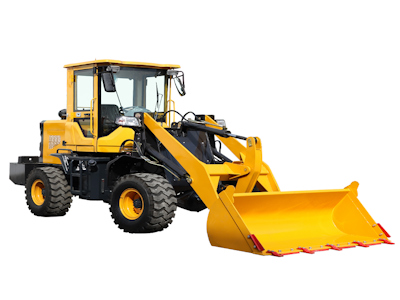
Гидравлический погрузчик — это специализированная машина, предназначенная для погрузки, разгрузки и перемещения различных материалов, таких как грунт, песок, щебень, строительные блоки и другие грузы. Его работа основана на гидравлической системе, которая использует жидкость под высоким давлением для передачи энергии и управления механизмами. Основные компоненты включают гидравлический насос, цилиндры, клапаны и приводы, которые обеспечивают плавное и мощное движение ковша или другого рабочего органа.
Принцип действия прост: двигатель внутреннего сгорания или электрический мотор приводит в действие насос, который создает давление в гидравлической жидкости. Эта жидкость подается через систему трубопроводов к цилиндрам, вызывая их движение. Это позволяет оператору точно управлять подъемом, опусканием и наклоном ковша, обеспечивая высокую производительность даже в сложных условиях. Гидравлические системы известны своей надежностью и способностью выдерживать heavy loads, что делает их идеальными для строительных задач.
Гидравлические погрузчики предлагают множество преимуществ, которые делают их незаменимыми на современных стройплощадках. Во-первых, они обеспечивают высокую производительность. Благодаря мощной гидравлике, эти машины могут быстро перемещать large volumes of materials, сокращая время выполнения работ. Например, при excavation или earthmoving, гидравлический погрузчик может заменить несколько manual laborers, significantly increasing efficiency.
Во-вторых, безопасность является ключевым аспектом. Гидравлические системы designed with safety features, such as overload protection and stable operation, reducing the risk of accidents. Operators can control the machine precisely from a cabin, minimizing exposure to hazards. Additionally, modern models are equipped with advanced technologies like cameras and sensors, further enhancing safety on site.
В-третьих, универсальность. Гидравлические погрузчики can be equipped with various attachments, such as buckets, forks, or grapples, allowing them to handle different types of materials and tasks. This versatility makes them suitable for a wide range of construction activities, from loading trucks to digging foundations.
В-четвертых, экономическая эффективность. Хотя initial investment may be high, the long-term savings are substantial. Reduced labor costs, lower maintenance requirements due to durable hydraulic components, and increased productivity contribute to a positive return on investment. Moreover, fuel efficiency improvements in newer models help cut operational expenses.
В-пятых, экологичность. Современные гидравлические погрузчики often feature eco-friendly engines that comply with emission standards, reducing their environmental impact. Some models are electric or hybrid, offering zero emissions on site, which is increasingly important in urban construction projects.
Технологический прогресс continuously enhances hydraulic loaders. Key features include advanced hydraulic systems with variable displacement pumps, which optimize energy usage and reduce heat generation. Electronic control systems allow for precise operation and integration with other machinery via IoT (Internet of Things), enabling real-time monitoring and predictive maintenance.
Innovations such as autonomous operation are emerging, where loaders can perform tasks with minimal human intervention, using GPS and AI for navigation. This not only boosts efficiency but also addresses labor shortages in the industry. Additionally, materials used in construction are evolving, with lighter and stronger alloys reducing weight without compromising strength, leading to better fuel economy and maneuverability.
Another trend is the focus on operator comfort. Ergonomic cabs with air conditioning, reduced noise levels, and intuitive controls improve working conditions, which in turn enhances productivity and reduces fatigue-related errors.
Гидравлические погрузчики play a vital role throughout the construction lifecycle. In the initial phase, they are used for site preparation, such as clearing land and excavating foundations. Their ability to handle rough terrain and heavy materials makes them essential for earthmoving tasks.
During the construction phase, they assist in material handling, loading trucks with aggregates, concrete, or steel, and transporting items around the site. This ensures a smooth flow of materials, preventing delays. In finishing stages, they can be used for landscaping or cleanup, demonstrating their adaptability.
Case studies show that projects using hydraulic loaders experience faster completion times and lower costs. For instance, in large-scale infrastructure projects like highway construction, these machines are indispensable for moving vast amounts of earth and rubble efficiently.
While other loaders exist, such as mechanical or pneumatic types, hydraulic loaders often outperform them. Mechanical loaders rely on levers and gears, which can be less precise and more prone to wear. Pneumatic systems, though useful in certain applications, lack the power and control of hydraulics for heavy-duty construction work.
Hydraulic loaders excel in terms of force multiplication; a small input force can generate a large output force, making them ideal for lifting and moving heavy loads. They also offer smoother operation compared to jerky movements in some alternatives, which is crucial for delicate tasks or when working in confined spaces.
С экономической точки зрения, гидравлические погрузчики contribute significantly to cost savings. By automating labor-intensive tasks, they reduce the need for manual workers, which is particularly beneficial in regions with high labor costs. Their durability means lower repair frequencies, and advancements in fuel efficiency cut down on energy expenses.
Environmentally, the shift towards electric and hybrid models is reducing carbon footprints. These machines produce fewer emissions and noise, making them suitable for use in sensitive areas or urban environments where regulations are strict. Additionally, the use of biodegradable hydraulic fluids is becoming more common, minimizing environmental contamination in case of leaks.
Governments and organizations are promoting the adoption of such technologies through incentives and regulations, further driving their indispensability in sustainable construction practices.
Looking ahead, the future of hydraulic loaders is bright with continued innovation. We can expect further integration of AI and automation, leading to fully autonomous sites where machines communicate and coordinate tasks. Enhancements in battery technology will make electric models more viable for longer operations, reducing reliance on fossil fuels.
Moreover, as construction moves towards modular and prefabricated methods, hydraulic loaders will adapt to handle standardized components efficiently. Their role in disaster recovery and emergency construction will also grow, thanks to their versatility and reliability.
In conclusion, hydraulic loaders are indeed indispensable in modern construction. Their combination of power, precision, safety, and adaptability makes them a cornerstone of the industry. As technology advances, they will continue to evolve, supporting the global push for faster, safer, and more sustainable building practices. Investing in these machines is not just a choice but a necessity for any construction company aiming to stay competitive and efficient in the 21st century.
Заключение: В этой статье мы рассмотрели многочисленные аспекты гидравлических погрузчиков, подчеркивая их critical role in construction. From their operational mechanics to economic benefits, it is clear that these machines are here to stay and will only become more integral as the industry progresses. Embracing these technologies is key to achieving success in modern construction projects.
Предыдущая статья: Какова цена асфальтоукладчика на современном рынке стройтехники
Следующий пост: Профессиональные оптовые асфальтоукладчики для строительства