Вы когда-нибудь задумывались, почему некоторые строительные проекты завершаются вовремя и в рамках бюджета, в то время как другие сталкиваются с задержками и перерасходом средств? Может ли ключ к успеху лежать в выборе правильной техники, такой как строительные погрузчики? В мире строительства, где каждая минута и каждый рубль на счету, надежность и мощность оборудования становятся не просто желательными, а необходимыми качествами. Но что именно делает строительные погрузчики таким незаменимым элементом? Как они обеспечивают стабильность и эффективность ваших операций? И почему их выбор может определить судьбу всего проекта?
Строительные погрузчики — это больше, чем просто машины; они являются сердцем многих строительных площадок, handling materials, speeding up processes, and reducing manual labor. From small-scale renovations to massive infrastructure projects, these machines play a pivotal role. But with so many options available—wheel loaders, tracked loaders, skid steer loaders, and more—how do you know which one is right for your specific needs? What factors should you consider to ensure that your investment pays off in terms of durability, performance, and overall project success?
In this comprehensive guide, we will delve into the world of construction loaders, answering these questions and more. We'll explore the different types of loaders, their key features, and the benefits they bring to construction sites. We'll also discuss common challenges faced by operators and how modern advancements are addressing them. By the end, you'll have a clearer understanding of why choosing the right loader is crucial for the might and reliability of your project, and how to make an informed decision that aligns with your goals.
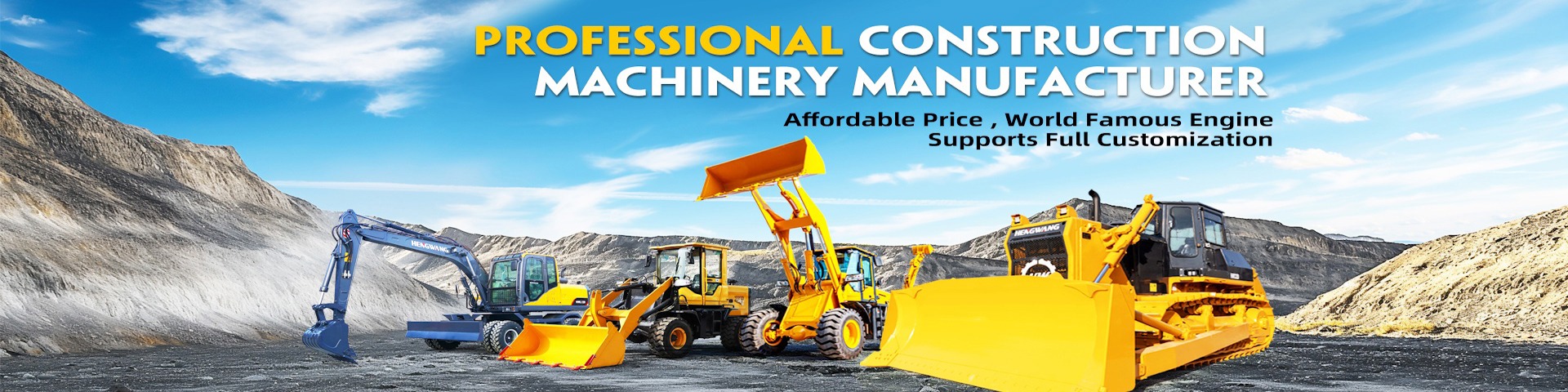
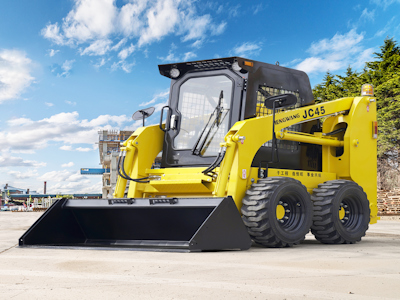
When it comes to construction loaders, variety is the name of the game. Each type is designed for specific tasks and environments, making it essential to choose wisely. Wheel loaders, for instance, are versatile and ideal for moving large volumes of materials on relatively smooth surfaces. Their mobility and speed make them a favorite for quarry operations and road construction. But what about tracked loaders? With their enhanced traction and stability, they excel in rough terrains and muddy conditions, often used in mining and forestry. Then there are skid steer loaders, compact yet powerful, perfect for tight spaces and urban projects where maneuverability is key.
But how do you decide between them? It starts with assessing your project's requirements. Consider the type of materials you'll be handling—are they heavy, abrasive, or delicate? The terrain—is it flat, uneven, or slippery? And the scale of operations—do you need a machine for light duty or heavy-duty tasks? For example, if you're working on a residential building site with limited space, a skid steer loader might be the best bet due to its small footprint and agility. On the other hand, a large infrastructure project like a dam construction would benefit from a massive wheel loader capable of moving tons of earth efficiently.
Moreover, don't forget about attachments. Many loaders can be equipped with buckets, forks, grapples, and other tools that expand their functionality. This adaptability allows one machine to perform multiple roles, saving time and resources. But does this versatility come at a cost? Often, yes—custom attachments can increase the initial investment, but they often pay for themselves through improved efficiency and reduced need for additional equipment.
In summary, the choice of loader type depends on a careful analysis of your project's specifics. By asking the right questions—What are my primary tasks? What are the site conditions? What is my budget?—you can narrow down the options and select a loader that not only meets but exceeds your expectations, ensuring that power and reliability are at the forefront of your operations.
Once you've identified the type of loader that fits your project, the next step is to evaluate its features. What makes a construction loader truly powerful and reliable? It's not just about engine size or lifting capacity; it's about a combination of factors that contribute to overall performance and longevity. Engine power, measured in horsepower or kilowatts, is crucial for handling heavy loads and working in demanding conditions. A more powerful engine can mean faster cycle times and better productivity, but it also consumes more fuel. So, how do you balance power with efficiency?
Hydraulic systems are another critical component. They control the loader's movements, from lifting and tilting to steering and attachment functions. Advanced hydraulic systems offer smoother operation, precise control, and reduced maintenance needs. But what about reliability? Look for loaders with robust hydraulic pumps and valves that are designed to withstand high pressures and frequent use. Additionally, consider the cooling system—overheating can lead to downtime and repairs, so efficient cooling is essential for continuous operation in hot environments.
Comfort and safety features should not be overlooked. Operator cabins with ergonomic designs, climate control, and excellent visibility can reduce fatigue and improve focus, leading to fewer accidents and higher efficiency. Safety features like roll-over protection structures (ROPS) and falling object protection systems (FOPS) are mandatory in many regions and can save lives. But are these features standard or optional? It varies by manufacturer, so always check and prioritize models that include them to protect your team.
Durability is perhaps the most important aspect. Construction sites are harsh environments, with dust, debris, and heavy impacts. Loaders built with high-strength steel, reinforced frames, and quality components will last longer and require less maintenance. Regular maintenance schedules and easy access to parts can also enhance reliability. How do you assess durability? Read reviews, ask for demonstrations, and consider the manufacturer's reputation. Brands with a history of producing reliable machines are often a safer bet.
In essence, when choosing a construction loader, focus on a holistic view of features. Power, hydraulics, comfort, safety, and durability all play a role in ensuring that your machine delivers the might and reliability your project demands. By investing time in research and testing, you can avoid costly mistakes and select a loader that will serve you well for years to come.
Why should you invest in a construction loader? The benefits are numerous and directly impact the success of your project. First and foremost, loaders significantly increase efficiency. They can move large quantities of materials quickly, reducing the time needed for tasks that would otherwise require manual labor or multiple machines. This speed translates to faster project completion and lower labor costs. But is efficiency the only advantage? Far from it.
Versatility is another major benefit. As mentioned earlier, with the right attachments, a single loader can perform a wide range of functions—digging, lifting, carrying, and even grading. This multifunctionality reduces the need for specialized equipment, saving on purchase, maintenance, and storage costs. For example, a loader with a bucket attachment can handle earthmoving, while switching to a fork attachment allows it to move pallets or lumber. How does this versatility affect project flexibility? It enables you to adapt to changing site conditions and requirements without delays.
Safety improvements are also notable. By mechanizing tasks that are physically demanding and hazardous, loaders reduce the risk of injuries to workers. Operators can handle materials from the safety of the cabin, avoiding exposure to heavy lifting, falling objects, or uneven terrain. Additionally, modern loaders come with safety features that prevent accidents, such as automatic shutdown systems in case of malfunctions. But what about training? Proper operator training is essential to maximize these safety benefits and ensure that the equipment is used correctly.
Cost-effectiveness is a key consideration. While the initial investment in a loader can be substantial, the long-term savings often justify it. Reduced labor costs, fewer equipment rentals, and lower maintenance expenses (if you choose a reliable model) contribute to a better return on investment. Moreover, loaders can help avoid project delays, which are often costly in terms of penalties and lost opportunities. How do you calculate the ROI? Consider factors like project duration, material volumes, and alternative methods—in most cases, loaders prove to be a wise financial decision.
Environmental impact is an increasingly important factor. Many modern loaders are designed with eco-friendly features, such as fuel-efficient engines, emissions controls, and noise reduction technologies. These not only comply with regulations but also reduce the carbon footprint of your project. For instance, electric or hybrid loaders are becoming more available, offering silent operation and zero emissions on site. Is sustainability a priority for your business? If so, investing in green technology can enhance your reputation and appeal to environmentally conscious clients.
In summary, construction loaders bring a host of benefits—efficiency, versatility, safety, cost-effectiveness, and environmental friendliness—that collectively enhance the might and reliability of your project. By leveraging these advantages, you can achieve better outcomes, stay competitive, and build a reputation for excellence in the construction industry.
Despite their many benefits, using construction loaders is not without challenges. Understanding these issues and knowing how to address them is crucial for maintaining reliability. One common challenge is maintenance. Loaders are complex machines with many moving parts, and neglect can lead to breakdowns and costly repairs. How can you prevent this? Implement a strict maintenance schedule based on the manufacturer's recommendations. Regular inspections, oil changes, and component checks can catch problems early and extend the machine's lifespan. Also, train your operators to perform basic checks and report issues promptly.
Another challenge is operator skill. Inexperienced operators can cause accidents, damage the equipment, and reduce efficiency. What's the solution? Invest in comprehensive training programs. Ensure that all operators are certified and familiar with the specific model of loader they will be using. Simulation training and hands-on practice can build confidence and competence. Additionally, encourage a culture of safety and continuous improvement on site.
Site conditions can also pose problems. Rough terrain, extreme weather, and limited space can strain loaders and lead to performance issues. How do you mitigate these risks? Choose the right type of loader for the environment—for example, tracked loaders for muddy grounds. Use attachments designed for specific conditions, such as snow blades for winter work. Plan your operations carefully to avoid unnecessary stress on the equipment.
Cost management is another hurdle. The initial purchase price, fuel costs, and maintenance expenses can add up. To overcome this, consider leasing or renting loaders for short-term projects instead of buying. For long-term use, calculate the total cost of ownership, including depreciation and repairs, to make an informed decision. Also, explore financing options and government incentives for eco-friendly equipment.
Technological advancements bring both opportunities and challenges. While modern loaders offer features like GPS and automation, they may require specialized knowledge to operate and maintain. Stay updated with training and support from manufacturers. Embrace technology to gain a competitive edge, but be prepared for the learning curve.
By proactively addressing these challenges, you can maximize the reliability and power of your construction loaders, ensuring they contribute positively to your project's success.
What does the future hold for construction loaders? The industry is evolving rapidly, driven by technology and sustainability demands. Automation and robotics are at the forefront. Autonomous loaders, capable of operating without human intervention, are being developed and tested. These machines can work around the clock, improving productivity and safety by reducing human error. But are they ready for widespread use? Not yet—regulatory and technical hurdles remain, but progress is steady.
Electric and hybrid power systems are another major trend. As concerns about emissions grow, manufacturers are investing in electric loaders that offer zero emissions, lower noise, and reduced operating costs. How feasible are they? Currently, battery technology limits runtime, but advancements are making electric loaders more practical for certain applications. Hybrid models, combining diesel and electric power, provide a middle ground for now.
Connectivity and IoT (Internet of Things) are transforming how loaders are monitored and maintained. Sensors can track performance, predict maintenance needs, and optimize operations in real-time. This data-driven approach enhances reliability by preventing failures before they occur. What are the benefits? Reduced downtime, lower maintenance costs, and improved efficiency. However, it requires investment in software and training.
Ergonomics and operator comfort continue to improve. Future loaders may feature augmented reality displays, better climate control, and enhanced safety systems to attract and retain skilled operators. Why is this important? A comfortable operator is more productive and less likely to make mistakes.
Sustainability will shape future designs. Loaders made from recycled materials, with longer lifespans and easier recyclability, will become more common. Additionally, renewable energy sources, like solar-powered charging stations for electric loaders, could reduce the environmental impact further.
In conclusion, the future of construction loaders is bright, with innovations focused on automation, electrification, connectivity, and sustainability. By staying informed and adapting to these trends, you can ensure that your projects benefit from the latest advancements in might and reliability.
In wrapping up, the choice of a construction loader is a critical decision that直接影响项目的成功。通过提出正确的问题—类型、特性、 benefits, challenges, and future trends—you can select a machine that embodies power and reliability. Remember, it's not just about the hardware; it's about how it integrates with your team, site, and goals. Invest in training, maintenance, and technology to maximize returns. Whether you opt for a wheel loader, tracked loader, or skid steer, ensure it aligns with your project's needs for a sturdy and efficient operation.
By doing so, you'll not only enhance productivity but also build a reputation for excellence in the construction industry. So, take the time to evaluate, ask questions, and choose wisely—your project's might and reliability depend on it.
Предыдущая статья: Как выбрать правильный асфальтоукладчик для строительства дорог и что учесть при покупке
Следующий пост: Топ 10 поставщиков асфальтоукладчиков для вашего бизнеса